Why Everyone's Suddenly Driving to Escondido for Tacos (It's Mesa Agricola)

Every year, The New York Times publishes its list of 50 favorite restaurants in the U.S. For the 2026 edition, 16 of the paper's editors and writers ate their way through 538 restaurants across 38 states to narrow it down, according to FOX 5 San Diego. It isn't a numbered ranking. The writers visit anonymously, pay for their own meals, and pick places they think are especially worth experiencing right now, as SanDiegoVille points out. This year, San Diego County got exactly one spot, and it went to a counter-service taqueria in Escondido.
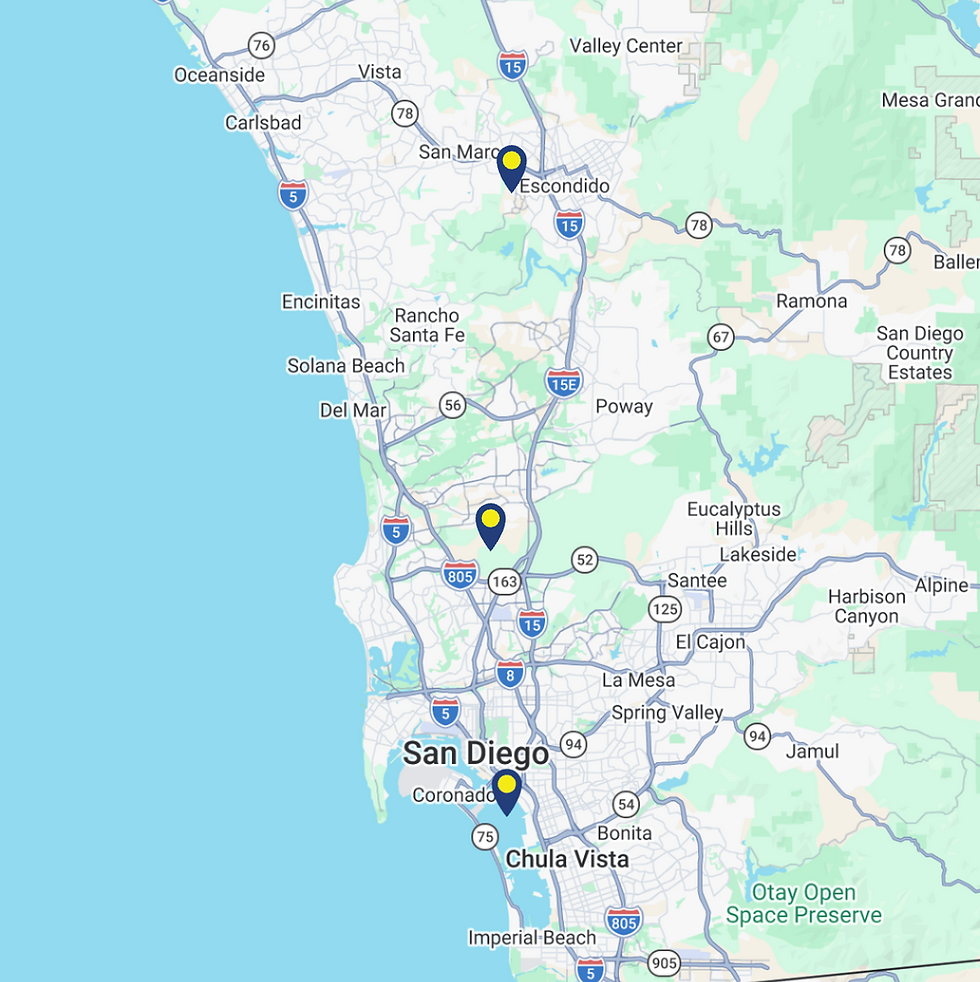
Mesa Agricola celebrated its first anniversary in August. It sits at 707 S. Escondido Blvd, on the same block as a Little Caesars. Here's why a restaurant this small is getting this much attention.

1. They grow a lot of what they cook. The kitchen draws on a five-acre farm in Valley Center, about 12 miles from the restaurant, according to NBC 7 San Diego. The land has its own story. When heirloom bean farmer Mike Reeske (known locally as "the Bean Man") retired, he offered the couple all five acres, along with the heirloom bean collection he'd built over more than 20 years, as San Diego Magazine reported. Because the produce comes from their own fields, the menu shifts constantly.
2. It's run by a farmer and a chef who are married. Megan Strom has farmed for 20 years, and her husband Juan González has cooked for nearly as long, Strom told ABC 10News. González taught himself to cook growing up in Rosarito, Baja California, and spent years working in kitchens and consulting for restaurants. The two met in 2019 at a Silver Lake restaurant in Los Angeles where he was a sous chef, and came to San Diego in 2022.
3. The menu is built around guisados. Guisados are slow-cooked Mexican stews, and the kitchen rotates through 10 to 12 of them, made with meat, seafood, and vegetables. You order a taco on a house-made corn tortilla or a burrito on a house-made flour tortilla. The burritos are norteño-style, so they're smaller than the oversized versions most Americans expect. Plan on ordering one or two of each.
4. The tortillas start with whole corn. The couple mills the corn for their tortillas themselves. González also relies on open-fire cooking and nixtamalization, the traditional process of soaking corn in an alkaline solution before grinding it.
5. They built it slowly. Mesa Agricola started in 2022 as a series of farm dinners along the coast. A year later it became a residency at Vino Carta in Solana Beach. All the while, the couple was catering, raising a young daughter, and farming. Strom told the Union-Tribune the recognition validated work behind a restaurant and farm they funded themselves.
6. It's priced for Escondido. When they opened, tacos were $4 and burritos $7. Strom said growing their own ingredients lets them skip most middlemen, and that she wanted the food to be accessible to the neighborhood, not only to people driving in from the coast.
7. The room is tiny, but the food is not. There are six tables, inside and out, and the only decoration is a single hanging cactus. The Times still called the food "surprisingly tectonic," according to Axios San Diego, a nod to how much history and technique goes into each plate. The Times food scout visited several times without identifying herself. González later realized a diner he'd talked with at length about his mole had been the person evaluating his restaurant.
8. Industry people found it first. Strom says their early regulars were restaurant workers and serious eaters who understood the work behind the food. Chef Travis Swikard of Callie is the only other chef Strom shares her produce with. His Instagram post about the grand opening sent people from all over the county to try it.
If you go: Expect a wait. Since the list came out, the line has regularly wrapped around the block at South Escondido Boulevard and 7th Avenue. There are no reservations. In an Instagram story, the restaurant said it was working as fast as it could with as many people as the small space holds. So bring some patience. For now, the restaurant is staying quick-service and open Wednesday through Sunday only.
What Other Operators Can Take From This
No one can plan for a spot on a national list, but Mesa Agricola's path has lessons for anyone running a pop-up or opening a first storefront. The couple spent three years on farm dinners and a residency before signing a lease, so when the right space came up, they already had a following and knew what people wanted. They kept the concept narrow, a rotating menu of guisados in two formats, which made it easier to run well and easier for guests to talk about. They also priced the food for the neighborhood around them, and they earned early support from other people in the industry, which spread the word faster than any ad budget could have.
The biggest lesson is about sourcing. Most operators don't have five acres in Valley Center, and they don't need them. A real relationship with even one or two local growers can shape your menu, sharpen your story, and give guests a reason to choose you.
If you're not sure where to start, our playbook Rooted Supply: Finding Your People walks independent San Diego food and beverage businesses through finding, vetting, and working with local suppliers, with worksheets and outreach templates you can use right away.
Comments