The Sysco Question: What One Distributor's Growing Reach Means for San Diego Sourcing

Ever notice how a lot of menus start to blur together after a while? Same protein cuts, same produce, same specialty sauces showing up two miles apart under different names. Part of that comes down to one company most diners have never heard of.
Sysco runs the back office of a huge chunk of American restaurants, and a deal currently sitting with regulators could hand it even more control over how San Diego kitchens stock their walk-ins.
How big is Sysco, actually?
By the numbers, it's not as dominant as you'd guess: Sysco holds about 17% of the roughly $370 billion U.S. foodservice distribution market, the largest slice in an industry that's still pretty fragmented.
But Morningstar's analysts think the percentage undersells how strong Sysco's position really is. Once a restaurant is buying most of what it needs from a single supplier, switching costs go up fast — fewer relationships to manage, one delivery schedule, one invoice. That's a hard habit to break even if it's not the cheapest option on the table.
Take that a step further: Sysco, US Foods, and Performance Food Group together control roughly half of foodservice distribution nationally. For most independent operators, that's the entire menu of options. Three companies setting delivery windows, minimums, and terms for most of the country.
The deal everyone's watching
In March 2026, Sysco agreed to buy Jetro Restaurant Depot for roughly $29.1 billion. This one's worth paying attention to, because Restaurant Depot has been the go-to cash-and-carry alternative for independent operators for years. It offers no contracts, no delivery minimums, letting operators walk in and buy what they need that day.
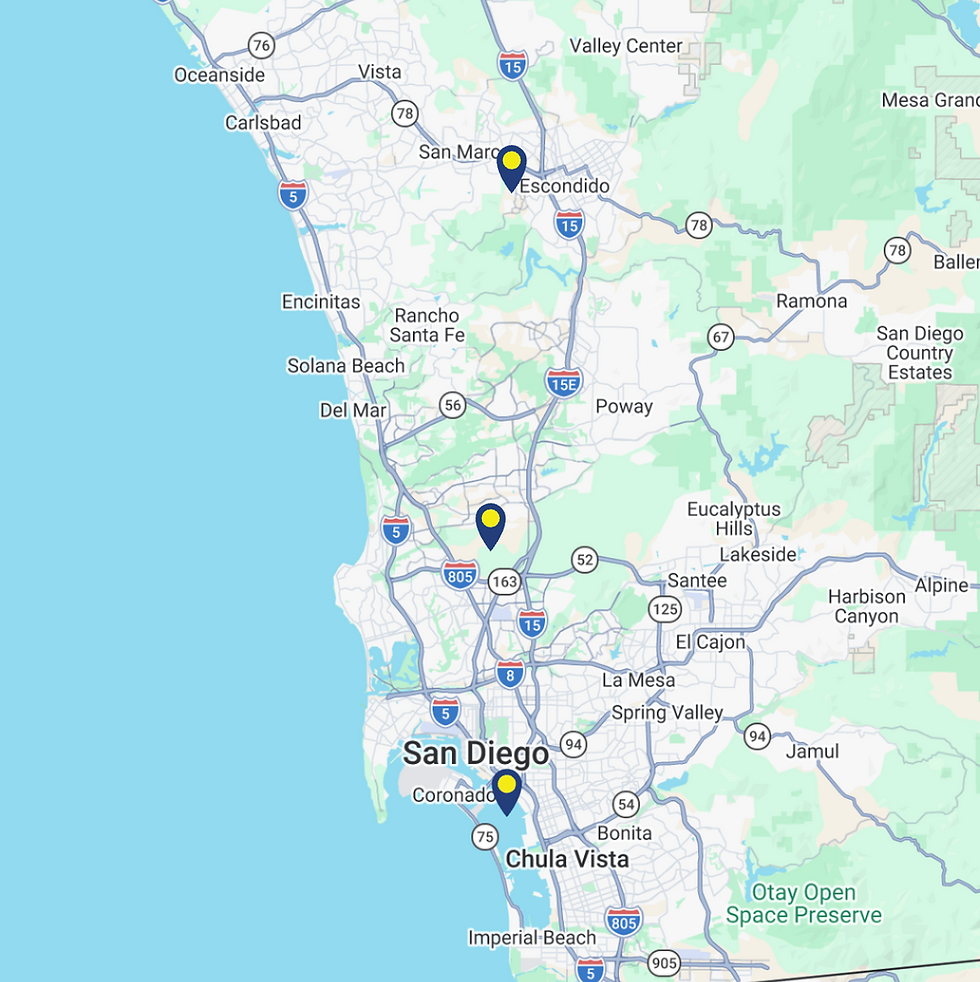
San Diego has three Restaurant Depot locations, Barrio Logan, Sorrento Valley, and San Marcos, and they've quietly become the backup plan for a lot of food trucks, caterers, taco shops, and bakeries around the county when a delivery falls through or a full Sysco account doesn't pencil out.
What sourcing actually looks like in San Diego right now
The local picture is more mixed than the national headlines suggest. Sysco San Diego runs out of Poway and covers the whole county, from Oceanside down to the border. For a huge share of restaurants, healthcare kitchens, schools, and hotels here, it's the default backbone of how food gets in the door.
That reach extends further than most people realize. San Diego County's own purchasing department uses Sysco for its large-volume buying, even as the county separately works to expand how much it sources from local growers. But there's a catch: to sell into that Sysco channel, a farm has to hold current GAP (Good Agricultural Practices) certification, a formal food-safety credential covering things like water testing and handling procedures, which costs money and requires an audit to get. So a small local grower can be exactly the kind of supplier the county says it wants, and still get locked out simply because they haven't gone through that certification process. Even the county's "buy local" push runs partly through the same system it's trying to diversify away from.
San Diego also has real alternatives that a lot of other markets don't. The county has more small family farms than any other county in the nation, and specialty players like Specialty Produce and Chino Farms have built their reputation on being what chefs turn to specifically because they aren't a broadline distributor.
That's what makes the Restaurant Depot deal worth watching here specifically: whether one more piece of San Diego's alternative sourcing ecosystem ends up inside the same company that already anchors the mainstream one.
What people are pushing back on
The deal hasn't sailed through unchallenged. The Independent Restaurant Coalition has asked the FTC to block it, arguing supplier competition is often the difference between an independent restaurant staying open and closing. And there's precedent for that concern: regulators shut down Sysco's attempt to buy US Foods outright back in 2013 on similar grounds. This time the target isn't a competitor, it's the workaround independents use to avoid needing a distributor like Sysco in the first place.
The deal is still under review and isn't expected to close before fiscal 2027, assuming it goes through at all. Whatever happens, it's going to shape sourcing options for independent restaurants well past San Diego.
Why this matters for how you source
Plenty of kitchens run smoothly because of the consistency and convenience a big distributor offers. But "convenient" and "the only option" are two different things, and the more this market consolidates, the more that difference shows up in your margins and your leverage at the negotiating table.
If sourcing is something you're trying to get sharper on — building real supplier relationships, knowing when a distributor makes sense versus when it's quietly limiting you — keep an eye out. Our upcoming playbook, Finding Your People: Guide to Local Sourcing, is built for exactly this.

Comments